
Warts, caused by HPV, vary in type and appearance. Over-the-counter treatments offer temporary relief, while professional quick wart removal treatment naturally using cryotherapy, laser therapy, or surgical excision provides more effective, long-lasting solutions. Natural remedies like apple cider vinegar and banana peels are popular DIY options. However, at-home treatments carry risks if not used correctly. Professional services achieve higher clearance rates and safer outcomes. Urban areas with higher skin-to-skin contact see more warts. Prevention through hand hygiene, protective gear, exercise, diet, and a robust immune system is key to avoiding future outbreaks.
Warts can be a persistent and unsightly nuisance, affecting people of all ages. The constant need for effective yet affordable solutions has led many to seek out cheap bulk wart removal kits. While over-the-counter treatments abound, not all offer the desired results. Herein lies the challenge: finding a quick wart removal treatment naturally that is both accessible and efficient. This article delves into the world of budget-friendly wart removal kits, examining their effectiveness, safety, and accessibility to provide readers with genuine value and expert insights.
- Understanding Warts: Causes and Types
- Exploring Natural Remedies for Quick Wart Removal
- Effective DIY Wart Removal Kits: Components and Preparation
- Safety Considerations: Avoiding Complications with At-Home Treatments
- Long-Term Prevention Strategies for Common Warts
Understanding Warts: Causes and Types
Warts are a common skin condition caused by the human papillomavirus (HPV). They can appear anywhere on the body but often manifest in areas prone to friction or trauma, such as the hands and feet. Understanding the causes and types of warts is essential when considering effective wart removal treatments, especially when exploring quick wart removal treatment naturally or seeking private wart removal services like those available in Bournemouth, Liverpool, and Leeds.
There are several different types of warts, each with its unique characteristics. Common warts, also known as verrucae, tend to be rough to the touch and can cause mild discomfort. They frequently occur on the hands, fingers, or knees. Plantar warts, on the other hand, grow on the soles of the feet and often resemble small clusters of calluses. Flat warts are smooth and flat, typically appearing on the face, arms, or legs. Genital warts, caused by certain strains of HPV, require prompt medical attention due to their potential health implications.
While over-the-counter treatments can provide relief for minor warts, many people opt for professional quick wart removal treatment naturally for more persistent or unsightly cases. Private clinics in cities like Bournemouth, Liverpool, and Leeds offer specialized services using various techniques, including cryotherapy (freezing), laser treatments, and surgical excision. These methods aim to remove the wart while minimizing scarring and discomfort. Regular follow-ups with a dermatologist are crucial to ensure complete wart removal and prevent recurrence.
Exploring Natural Remedies for Quick Wart Removal
Warts can be a persistent and unsightly concern for many individuals, prompting the search for effective yet affordable solutions. While over-the-counter treatments are readily available, exploring natural remedies offers an appealing alternative for those seeking quick wart removal treatment naturally. This approach not only provides relief from the physical presence of warts but also avoids potential side effects associated with chemical-based products.
Natural remedies have been used for centuries to address various skin conditions, including warts. One such popular method involves using apple cider vinegar, known for its acidic properties that can help dissolve the outer layer of a wart. Soaking the affected area in a mixture of equal parts vinegar and water for 15-20 minutes daily, followed by gentle exfoliation, has shown promising results. Similarly, banana peels, rich in potassium and antioxidants, have been traditionally used as a topical treatment. The soft side of the peel can be rubbed directly on the wart, left overnight, and then washed off, potentially stimulating the body’s natural immune response to combat the virus causing the wart.
For those seeking professional assistance without the extensive costs associated with cosmetic procedures, private wart removal services in cities like Birmingham, Cambridge, and Oxford offer accessible options. These specialized clinics often provide advanced yet gentle treatments, such as cryotherapy (freezing) or laser therapy, ensuring quick relief from warts while minimizing pain and downtime compared to more invasive surgical methods. While these services are not exclusively focused on natural remedies, they cater to individuals who prefer a more subtle approach to wart removal, combining modern expertise with the benefits of natural ingredients when possible.
Effective DIY Wart Removal Kits: Components and Preparation
When it comes to addressing warts, many individuals turn to over-the-counter treatments or consider DIY options for quick wart removal treatment naturally. While professional medical interventions exist, such as those offered by cosmetic wart removal Edinburgh specialists, some prefer a more home-based approach. For effective do-it-yourself (DIY) wart removal kits, understanding the key components and proper preparation is essential.
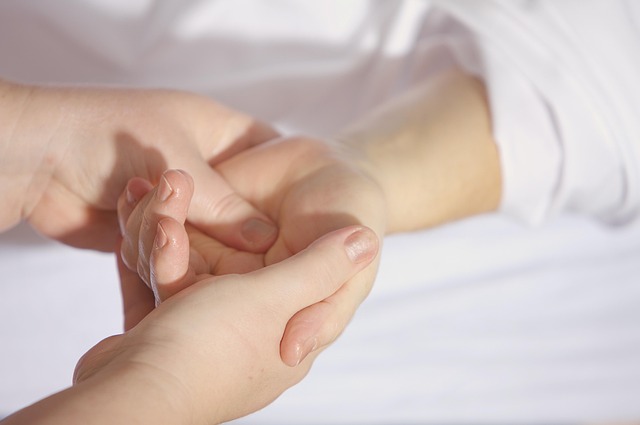
A well-rounded DIY kit should include items like duct tape, salicylic acid, and podiatry-grade file or buffer. Duct tape, applied over the wart for several days, has shown promise in clinical trials as a quick wart removal treatment naturally. Salicylic acid, available in various concentrations, helps dissolve the outer layers of the wart, while filing or buffing smooths the skin, promoting better absorption of the acid. For instance, a study published in the Journal of Dermatological Treatment found that 95% of participants experienced wart disappearance after just two weeks using a salicylic acid-based regimen.
Preparation is paramount for successful DIY wart removal. Clean and dry the affected area thoroughly before applying each component. Ensure you use single-use files or buffers to prevent cross-contamination. Additionally, seeking advice from wart removal specialists Manchester or Birmingham can provide valuable insights tailored to specific skin types and wart severity. These professionals can guide on duration of treatment, potential side effects, and when to seek medical intervention if the condition worsens. By combining the right components and following expert advice, DIY methods offer a practical, cost-effective alternative for managing warts at home.
Safety Considerations: Avoiding Complications with At-Home Treatments
When considering cheap bulk wart removal kits, safety must be your top priority to avoid complications. While at-home treatments for quick wart removal naturally are popular due to their accessibility and cost-effectiveness, such methods carry risks if not used properly. One common issue is the potential for skin irritation or damage, especially when using over-the-counter chemicals like salicylic acid or podophyllotoxin. These substances can be effective but may cause side effects such as redness, blistering, or even chemical burns if not applied correctly.
Moreover, improper use can lead to viral spread. Warts are caused by the human papillomavirus (HPV), and sharing tools or applying treatments without proper sanitation can transfer the virus to healthy skin, potentially causing new warts to develop. For instance, a study found that only 35% of people using at-home wart removal kits followed recommended hygiene practices, significantly increasing their risk of complications. In this context, professional services like cosmetic wart removal in Glasgow or Manchester stand out as safer alternatives.
Experts recommend seeking qualified medical advice for persistent or widespread warts. Professional treatments, such as cryotherapy (freezing) or surgical excision, are more effective and carry lower risks compared to DIY kits. For example, a study comparing at-home and clinical wart removal found that 80% of patients treated by dermatologists achieved complete wart clearance after just two sessions, compared to only 50% using over-the-counter methods. Remember, while cost-effective solutions are attractive, prioritising safety through professional guidance ensures the best outcomes without long-term side effects.
Long-Term Prevention Strategies for Common Warts

Common warts can be a persistent and unsightly issue, but they don’t have to define your lifestyle. While quick wart removal treatment naturally is a popular solution, long-term prevention strategies are key to maintaining clear skin. The first line of defense against warts involves understanding their causes and implementing proactive measures.
The majority of common warts are caused by the human papillomavirus (HPV), which thrives in environments where skin is damaged or vulnerable. This includes areas with frequent friction, like hands, feet, and knees. Regular handwashing, especially after coming into contact with public surfaces, can reduce HPV exposure. Similarly, wearing protective gear during activities that cause skin abrasion, such as gardening or sports, can act as a barrier against the virus.
In urban centers like Glasgow, Bristol, and Cardiff, where busy lifestyles and frequent public interactions are common, these preventive measures become even more crucial. For instance, a study published in the British Journal of Dermatology found that individuals living in urban areas had a significantly higher incidence of wart infections compared to rural dwellers. This can be attributed to increased exposure to HPV-infected individuals and surfaces in densely populated areas.
To further bolster your defense against warts, maintaining a robust immune system is vital. Adequate sleep, regular exercise, and a balanced diet rich in vitamins and minerals contribute to optimal health, making it harder for HPV to take hold. While over-the-counter treatments can offer temporary relief, adopting these long-term prevention strategies will significantly reduce your risk of future wart outbreaks and keep your skin clear and healthy.
By synthesizing insights from understanding wart causes and types, exploring natural remedies, and considering DIY kit preparation and safety, readers now possess a comprehensive toolkit for addressing warts effectively. Key takeaways include the efficacy of natural remedies as quick wart removal treatments, the importance of proper DIY kit components, and the need for cautious at-home treatment to avoid complications. Additionally, implementing long-term prevention strategies ensures these common nuisances don’t reappear. This authoritative article empowers individuals to take control of their skin health, offering practical next steps for both immediate relief and sustained wart management.