
Warts are common skin concerns affecting all ages, with natural causes and various types. Sensitive skin requires careful treatment, favoring gentle methods like apple cider vinegar or essential oils (tea tree, lavender, lemon). Professional guidance from dermatologists offers tailored quick wart removal treatment naturally through advanced techniques like cryotherapy, laser procedures, or topical medications. Combining home care and professional help provides a comprehensive, safe approach for effective wart elimination in 4-6 weeks.
Warts, especially on the hands and feet, are a common dermatological concern for many, often causing discomfort and aesthetic dissatisfaction. For those with sensitive skin, addressing warts can be challenging, as over-the-counter treatments may irritate or inflame delicate skin barriers. This article delves into effective yet gentle strategies for wart removal, specifically exploring natural, quick wart removal treatments suitable for sensitive skin. By the end, readers will gain valuable insights and accessible solutions to manage and eliminate these skin imperfections safely and effectively.
- Understanding Warts: Causes and Types for Sensitive Skin
- Exploring Natural Remedies for Quick Wart Removal Treatment
- Essential Oils and Their Role in Softening and Removing Warts
- Home Care Strategies: Safe and Effective Wart Removal Techniques
- Professional Options: When Natural Treatments Fail
Understanding Warts: Causes and Types for Sensitive Skin

Warts are a common skin concern, affecting individuals of all ages, especially those with sensitive skin. Understanding their causes and types is crucial for effective management and the selection of suitable treatments, including quick wart removal treatment naturally. Sensitive skin presents unique challenges due to its heightened reactivity and potential for irritation.
Causes of warts on sensitive skin can vary from viral infections (such as papillomaviruses) to environmental factors like friction or contact with contaminated surfaces. Certain types of warts prevalent in this context include common warts, which typically appear as rough, flesh-colored bumps, and flat warts, characterized by a smooth, small, and sometimes colorless appearance. Genetic predisposition, immunosuppression, and age also play roles in wart development. For instance, studies show that 30% of people have at least one wart at some point in their lives, with children and the elderly being more susceptible.
When it comes to treatment, many individuals prefer natural remedies for their gentler approach, especially when dealing with sensitive skin. While over-the-counter options exist, consulting a specialist like those offering cosmetic wart removal in Birmingham, Leicester, or Cardiff can provide tailored advice. These professionals can guide patients on effective home remedies and offer advanced treatments if necessary. Some natural treatments include applying apple cider vinegar or duct tape for several days to week, with caution and regular monitoring to prevent irritation. In-clinic treatments, such as cryotherapy (freezing) or topical medications, are also available for more persistent cases, ensuring the best outcomes while minimizing skin trauma.
Exploring Natural Remedies for Quick Wart Removal Treatment

When it comes to sensitive skin, removing warts can be a delicate matter. Many over-the-counter options contain harsh chemicals that may cause irritation or discomfort, making natural remedies an appealing alternative for quick wart removal treatment. This approach not only avoids potential side effects but also aligns with the growing trend towards holistic skincare.
Exploring natural remedies offers a variety of effective solutions. For instance, apple cider vinegar has been shown to have anti-viral properties that can help dissipate warts over time. Soaking the affected area in warm water mixed with vinegar for 15-20 minutes daily can be beneficial. Another popular option is duct tape, which creates a protective barrier and may facilitate the body’s natural immune response against the virus causing the wart. This method requires patience as it typically takes several weeks to see results.
For those seeking professional guidance, reputable clinics like wart removal specialists in Cambridge, Exeter, or Manchester can provide specialized care. These experts often employ less invasive techniques such as cryotherapy (freezing) or laser treatments, which are suitable for sensitive skin and offer relatively quick relief. It’s important to note that while natural remedies can be effective for many, individual results may vary. Consulting a dermatologist is advisable to determine the most appropriate approach based on skin type and the size and persistence of the wart.
When choosing a method, consider your comfort level and time commitment. Natural treatments require more patience but offer a gentler experience. Professional interventions provide quicker results but may involve some discomfort. By understanding these options, you can make an informed decision for quick wart removal treatment naturally or with expert assistance, depending on your needs and preferences.
Essential Oils and Their Role in Softening and Removing Warts
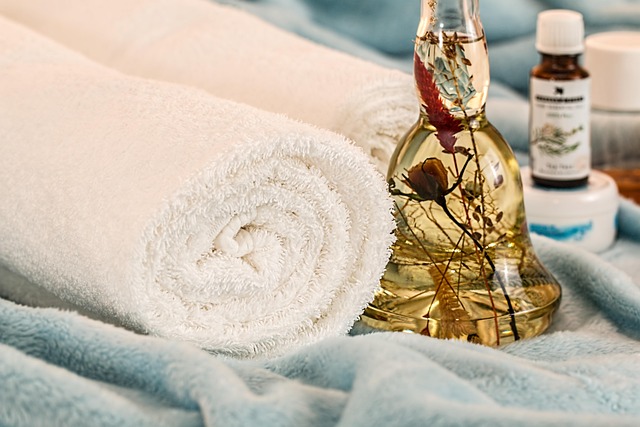
When it comes to sensitive skin and wart removal, essential oils offer a gentle yet effective approach for those seeking a quick wart removal treatment naturally. These natural compounds have been used for centuries in various cultures for their therapeutic properties, including their ability to soften and eliminate warts. One of the key advantages is their suitability for individuals with delicate skin who might experience irritation or allergic reactions from over-the-counter medications.
Essential oils like tea tree oil, lavender, and lemon are renowned for their antiviral and anti-inflammatory qualities, making them powerful allies in the fight against warts. For instance, a study published in the Journal of Alternative and Complementary Medicine found that tea tree oil applied topically demonstrated significant wart removal rates, often surpassing traditional treatments. In addition to their direct application, these oils can be integrated into baths or diffused in the air for inhalation, providing both local and systemic benefits. For those looking for professional assistance, cosmetic wart removal services are widely available in cities like Reading, Leeds, and Newcastle. These specialized clinics offer safe and effective treatments tailored to individual needs.
The role of essential oils in quick wart removal is not just about eliminating the visible growth but also addressing the underlying conditions that may contribute to wart development. For instance, lavender oil has been shown to aid in healing and reduce skin irritation, ensuring a smoother recovery process. It’s important to note that while essential oils offer a natural path to wart removal, results may vary from person to person. Combining these oils with good hygiene practices and protecting the treated area can enhance their effectiveness. Consulting with a healthcare professional or specialist is advisable for personalized guidance, especially if warts are persistent or located in sensitive areas.
Home Care Strategies: Safe and Effective Wart Removal Techniques
For those seeking effective yet gentle wart removal products for sensitive skin, understanding home care strategies is a crucial step towards achieving clear, smooth skin. While over-the-counter treatments may offer quick relief, natural alternatives can be equally potent, avoiding harsh chemicals that might irritate sensitive areas. One such approach involves leveraging the power of common household ingredients known for their antiviral and anti-inflammatory properties, such as apple cider vinegar or tea tree oil.
For instance, a simple, safe method is to apply undiluted apple cider vinegar directly to the wart using a cotton ball, securing it with a small bandage overnight. This process can be repeated daily until the wart disappears, typically within one to two weeks. Similarly, diluted tea tree oil (with a carrier oil like jojoba or coconut) can be applied topically, taking care to avoid contact with healthy skin. These methods harness the natural healing abilities of ingredients readily available at most grocery stores, making them accessible and cost-effective quick wart removal treatments naturally.
Seeking professional guidance is invaluable for those with persistent or problematic warts. Specialized Wart Removal Birmingham, Wart Removal Specialists Leicester, and Wart Removal Leeds services offer advanced techniques tailored to individual needs. These experts can recommend prescription creams containing salicylic acid or cryotherapy (freezing) for faster results, while also providing advice on preventing reoccurrence. Data shows that consistent adherence to recommended treatments can lead to wart removal in as little as 4-6 weeks, with professional supervision enhancing both effectiveness and comfort during the process.
Incorporating home care strategies and considering expert interventions ensures a comprehensive approach to wart removal, prioritizing both safety and efficacy. By understanding natural remedies and leveraging professional services when needed, individuals can achieve clear skin without compromising sensitivity or resorting to harsh treatments.
Professional Options: When Natural Treatments Fail

When it comes to sensitive skin, finding effective yet gentle wart removal products can be a challenging task. Many over-the-counter options contain harsh chemicals that may irritate or burn delicate skin, leading many individuals to seek professional interventions for quick wart removal treatment naturally. If natural treatments have failed, consulting a specialist becomes an informed decision.
In cities like Leicester, Leeds, and Milton Keynes, access to expert wart removal specialists is readily available. These professionals employ advanced techniques tailored to specific skin types, ensuring minimal discomfort and faster results compared to conventional methods. One popular method involves cryotherapy, where warts are frozen off using liquid nitrogen. This procedure is generally well-tolerated by sensitive skin due to the rapid freezing process, reducing pain and potential side effects. Laser treatments are another option, offering precise targeting of wart cells while minimizing damage to surrounding healthy skin.
Additionally, professionals may recommend topically applied medications containing potent ingredients like salicylic acid or podophyllotoxin. These substances efficiently break down wart tissue but are carefully monitored to prevent excessive drying or peeling of the skin. It’s crucial to emphasize that professional treatments should only be administered by trained experts who can assess individual cases and provide personalized guidance, ensuring safety and effectiveness in removing warts without causing further skin irritation.
After exploring the various aspects of wart removal products for sensitive skin, readers can now make informed decisions about their treatment options. Key insights include understanding the causes and types of warts specific to sensitive skin, leveraging natural remedies as a quick wart removal treatment naturally, utilizing essential oils for softening and removing warts safely, implementing effective home care strategies, and knowing when to seek professional help. By combining these approaches, individuals can achieve gentle yet efficient wart removal while caring for their delicate skin. This comprehensive guide underscores the availability of diverse, safe, and effective solutions tailored to sensitive skin concerns.